
Polar fleece is a polyester knit chosen for light, fast-drying outdoor mid-layers, while cotton fleece delivers the soft, familiar hand feel that suits casual and lifestyle pieces but holds moisture and dries slowly. For a fleece cotton jackets brand, the right pick comes down to end use, fabric weight, care behavior and target cost — not the fiber name on the swatch card.
Polar fleece vs cotton fleece at a glance
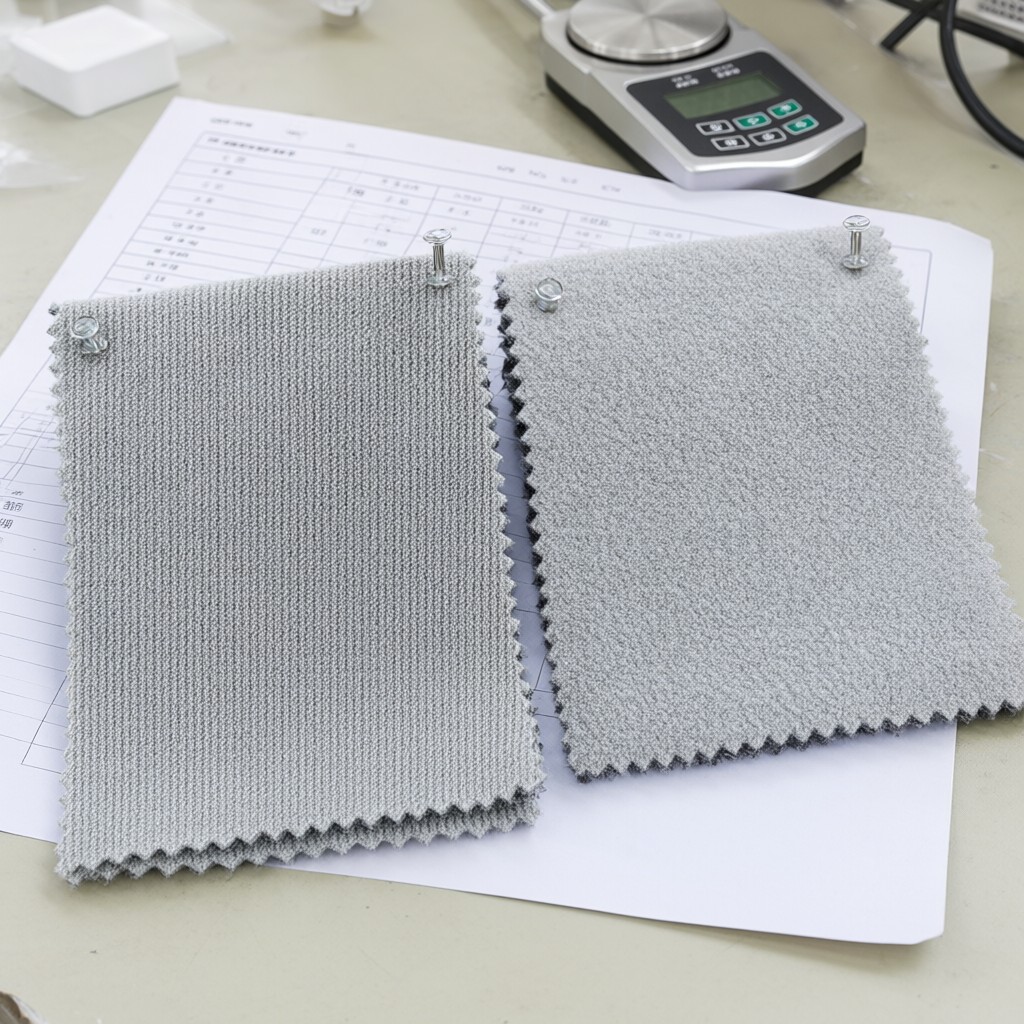
| Factor | Polar fleece | Cotton fleece |
|---|---|---|
| Base fiber | Usually polyester | Cotton or cotton-rich blends |
| Moisture behavior | Low absorption, quick drying | Absorbs more, dries slower |
| Typical role | Outdoor mid-layers, hiking, travel | Casual jackets, sweatshirts, lifestyle |
| Weight vs warmth | High warmth at low weight | Warmth rises with fabric weight |
| Hand feel | Lofted, technical | Soft, familiar, cottony |
| Best fit | Performance programs | Urban and everyday collections |
Think of it this way: polar fleece is the quick-drying trail runner of the fleece world; cotton fleece is the comfortable sneaker. Both are footwear — but they were built for different days.
What exactly is polar fleece?
Polar fleece is a knitted textile with a raised, air-trapping surface. Mills produce it across a range of weights, pile heights and finishes, and outdoor labels rely on it as a mid-layer because it delivers solid insulation for very little bulk and soaks up far less water than cotton-rich constructions.
Here is the catch: not every polar fleece behaves the same. Yarn quality, knit density, brushing intensity and anti-pilling treatment all shift how the fabric looks, feels and holds up over seasons of wear. That is why an OEM buyer should sign off on the actual production fabric — finished GSM and surface appearance included — instead of just writing “polar fleece” on a spec sheet.
How is cotton fleece made?
Cotton fleece typically starts as a knit with a smooth face and a brushed or looped back. Some versions run 100% cotton, though many mills blend in polyester to improve dimensional stability, boost durability or balance the fabric budget. You will find cotton-rich fleece across casual jackets, crewnecks and lifestyle garments — anywhere the hand feel matters more than how fast the piece dries on a rack. It is also the construction behind many breathable everyday cotton jackets people reach for in mild weather.
Which one actually keeps you warmer?
Fiber alone cannot answer that. Warmth comes from fabric weight, thickness, density, pile loft and how the garment is cut and constructed. A heavyweight cotton fleece can easily feel toastier than a thin polar fleece — and a high-loft polar fleece can match or beat a mid-weight cotton option at a fraction of the carry weight. So during development, put real swatches and finished samples side by side instead of trusting the name on the fiber label. If you want independent assurance on what is in the fabric, certifications such as OEKO-TEX Standard 100 test finished textiles for harmful substances.
Which fabric belongs in an outdoor jacket?
For hiking, travel and genuine layering systems, polar fleece is usually the smarter starting point — the warmth-to-weight ratio is better and it dries dramatically faster when conditions turn damp. Cotton fleece earns its place in urban outdoor capsules, casual workwear and lifestyle drops, where drape and fabric weight are design decisions, not drawbacks. One warning from the factory floor: neither material is a substitute for a protective shell. Wet or windy weather demands an outer layer with real weather resistance on top of your insulation.
What should buyers verify before approving a fleece?
Before you green-light any fabric for bulk, lock down these points with your mill or OEM partner:
- Fiber composition and finished GSM (not just the nominal spec)
- Pile height, surface appearance and anti-pilling finish
- Shrinkage, colorfastness and dimensional stability after washing
- Stretch and recovery, where the silhouette demands it
- How the fabric handles embroidery, printing and other branding techniques
- Care instructions plus any buyer- or market-specific test protocols
Standards such as ASTM D5034 for tensile strength or ISO 6330 domestic washing procedures give both sides a common testing language, which prevents disputes later.
How should a brand settle the final choice?
Let the garment’s job decide. Match the fleece to the intended use, the target customer and the landed cost. Physically compare swatches for composition, finished weight, hand feel, surface look and shrinkage — then carry the exact same construction into the garment sample before freezing the spec. Why so strict? Because swapping fleece constructions mid-development changes drape and finished measurements, and your size chart will quietly stop being accurate.
Why partner with SAZ for your fleece program?
SAZ builds custom fleece and outerwear for outdoor, workwear and private label programs as an OEM/ODM partner. Before sampling begins, our team reviews whether your chosen fleece suits the intended fit, garment construction and trim details — catching problems while they are still cheap to fix.
Share your tech pack, reference sample or product images for evaluation. MOQ starts at 100 pieces per style/color, sampling typically runs 7–10 days, and bulk production takes roughly 35–50 days after sample and material approval. Browse the full range at SAZ Garment and start your fleece project with us today.
Related reading from the SAZ journal
- Waterproof vs water-resistant zippers for outdoor jackets
- EU Digital Product Passport: supplier data guide for jacket brands
- Ski wear sampling checklist for outdoor labels and OEM production
- How jacket factories control quality before bulk shipment
Frequently Asked Questions
Is polar fleece always polyester?
In practice, yes — the term usually refers to a polyester knit with a raised, brushed surface. That fiber base is what gives it low moisture absorption and quick-drying behavior. Always confirm the exact composition on the mill’s test report rather than relying on the trade name alone.
Will cotton fleece work for summer-weight pieces?
Lightweight cotton fleece can, especially in blends that resist shrinking. Cotton is naturally breathable, which makes airy cotton-rich constructions comfortable in mild or warm weather. For genuinely hot climates, though, buyers usually step down to thinner jersey or terry fabrics instead of fleece.
Which fleece costs more to produce?
It depends on the specification, not the fiber category. A premium anti-pilling polar fleece can exceed the price of a basic cotton blend and vice versa. Compare quotes on finished GSM and finish treatments, and factor in market-level testing requirements before judging cost per piece.
How many samples should a brand test first?
Approve at least two or three fabric swatches per direction, then one full garment sample in the confirmed construction. Wash-test every sample. Fleece can change pile, shrink or lose recovery after laundering, and catching that at sample stage costs almost nothing.
Can cotton fleece be certified for sustainable lines?
Yes. Organic cotton constructions can qualify under GOTS, and recycled-polyester polar fleeces may carry GRS certification through Textile Exchange. Ask your OEM early so certified fabric sourcing is built into the timeline instead of bolted on at the end.

